
314 Youngsville Highway Lafayette, LA 70508 (337) 330-2051 Acadiana Rehab
Visiting Hours:
Monday - Friday: 4PM-8PM
Saturday: 12PM-8PM
Sunday: 8AM-8PM
A brain injury can change everyday life in ways that are difficult to anticipate. Activities that once happened almost automatically, such as walking across a room, remembering an appointment, following a conversation, preparing a meal, or getting dressed, may suddenly require concentration and assistance. Brain injury rehabilitation gives patients an opportunity to rebuild these abilities through focused therapy, structured practice, and a care plan designed around the challenges that matter most to their daily lives.
At Acadiana Rehabilitation Hospital, our inpatient rehabilitation services in Lafayette are designed to help people move forward after a brain injury while working toward greater independence, confidence, and function. Rehabilitation can address physical limitations alongside changes in memory, communication, attention, problem-solving, coordination, and other skills that affect how someone functions at home and in the community.
A brain injury occurs when the brain is damaged or its normal function is disrupted, although the cause and resulting symptoms can vary considerably from one person to another. A traumatic brain injury, commonly called a TBI, results from an outside force affecting the head or brain, such as a fall, vehicle accident, sports injury, or other impact. The effects may be relatively focused or may involve several areas of physical and cognitive function at the same time.
Not every brain injury begins with physical trauma. Stroke, certain infections, brain tumors, oxygen deprivation, and other neurological events can also damage brain tissue or interfere with normal brain function, creating rehabilitation needs that resemble those associated with traumatic injuries. Regardless of the cause, successful rehabilitation focuses less on a label and more on understanding what has changed, which abilities remain strong, and which skills need to be restored, adapted, or relearned.
Brain injuries can affect nearly every part of daily life, with symptoms ranging from clearly visible physical limitations to subtle cognitive changes that are harder for others to recognize. Depending on the location and severity of the injury, rehabilitation may address concerns such as:
Memory loss, difficulty retaining new information, reduced attention, slower processing, confusion, changes in judgment, or difficulty organizing and completing tasks.
Speech and language problems, including difficulty finding words, understanding conversations, expressing thoughts clearly, reading, writing, or communicating needs.
Mobility and coordination challenges, such as weakness, impaired balance, difficulty walking, reduced endurance, altered movement patterns, or problems coordinating the arms and legs.
Difficulty completing everyday activities such as bathing, dressing, eating, grooming, preparing meals, managing household tasks, or safely moving through different environments.
Changes in swallowing, social communication, awareness, behavior, or other abilities that can influence safety and independence.
Recovery after a brain injury rarely involves improving only one isolated skill. Someone who has difficulty walking may also be working through changes in attention, while a person whose strength is improving may still struggle to remember instructions or organize a sequence of activities. Effective brain injury rehabilitation brings these needs together so that therapy supports the way patients actually need to function outside the treatment setting.
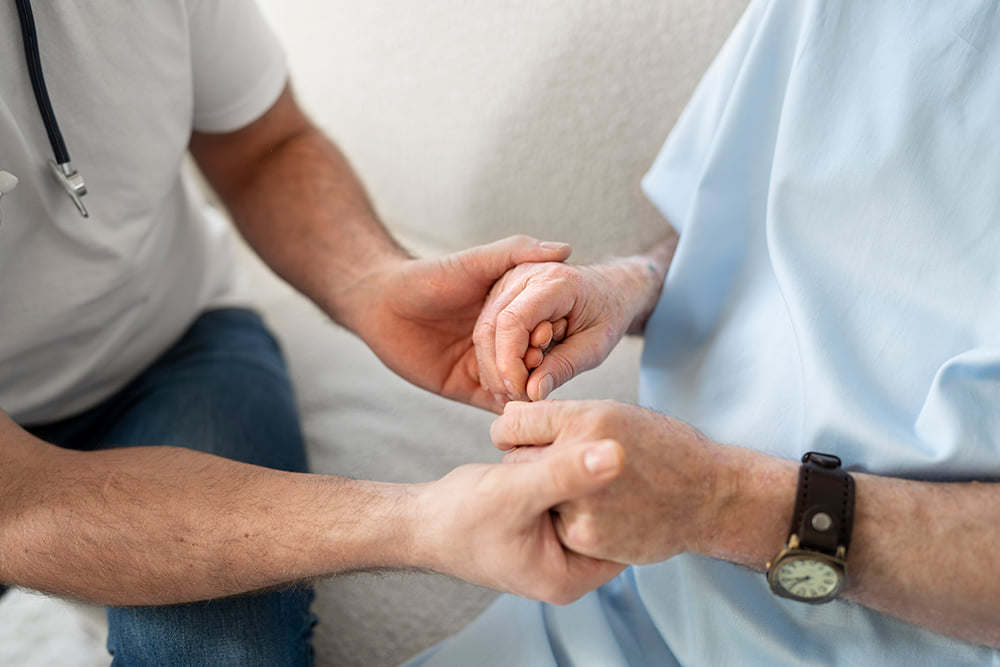
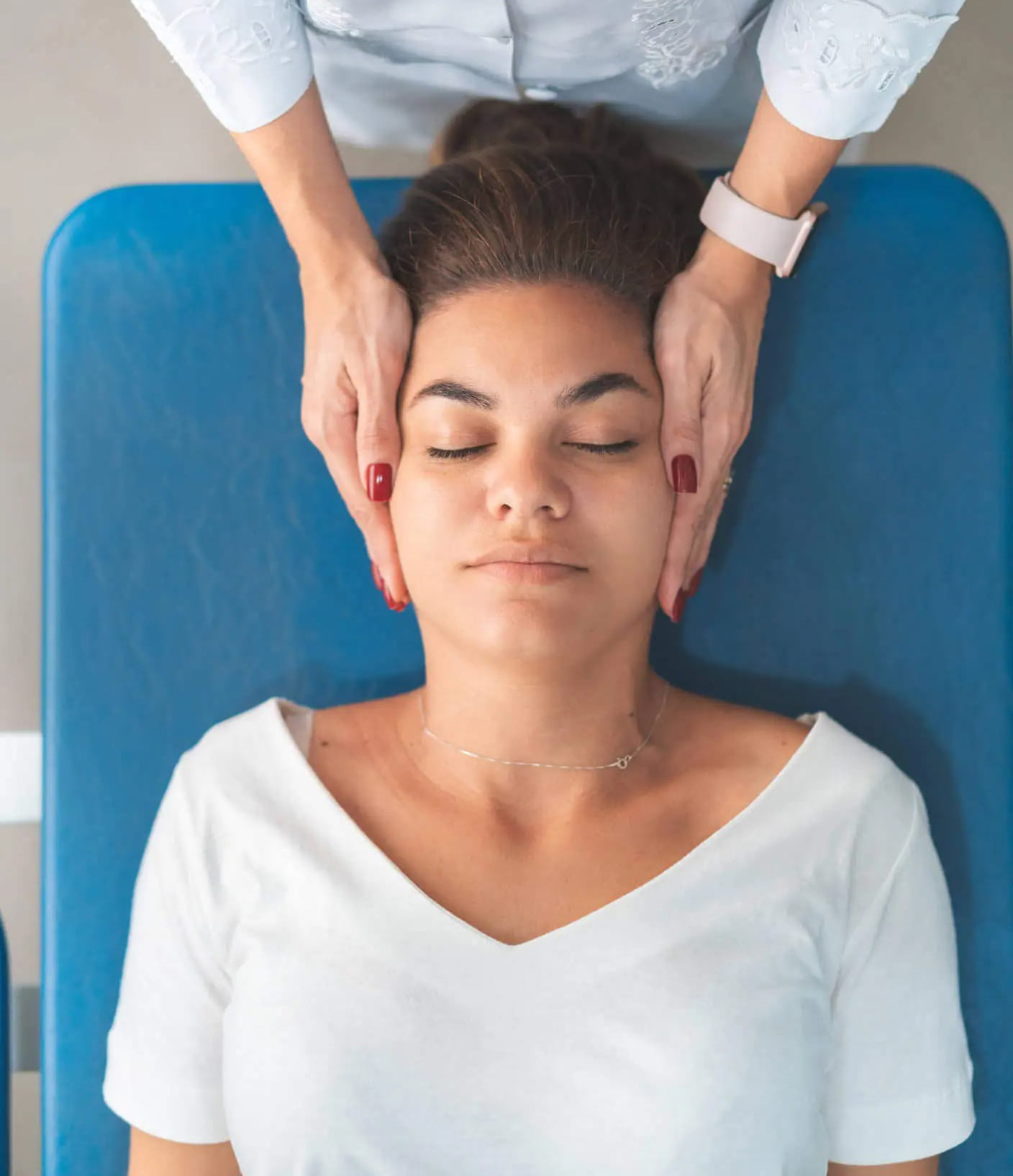
For patients who need intensive rehabilitation following hospitalization or stabilization of a brain injury, an inpatient setting offers something that occasional therapy appointments cannot provide: a structured environment built around recovery throughout the day. Patients can receive coordinated rehabilitation while nursing and medical professionals remain available to monitor health concerns, support safety, and respond to changes that could affect participation in therapy. This combination can be particularly valuable when a brain injury has created several overlapping challenges that require close coordination.
Another advantage is consistency. Brain injury recovery often requires repeated practice, gradual increases in difficulty, and frequent adjustments as abilities change, which makes a structured rehabilitation environment particularly valuable. Patients have opportunities to apply what they are learning repeatedly instead of waiting several days between therapy visits, helping rehabilitation remain an active part of daily life.
The brain has an important ability known as neuroplasticity, which refers to its capacity to change and reorganize in response to experience, practice, and injury. Rehabilitation takes advantage of this adaptability by asking patients to repeatedly practice movements, cognitive processes, communication skills, and functional activities that support their recovery goals. Improvement does not happen according to a universal timetable, yet beginning appropriate rehabilitation when a patient is medically ready can provide valuable opportunities to work on abilities during an important period of recovery.
Brain injury recovery does not stop when a scheduled therapy session ends. Patients may experience fatigue, confusion, mobility limitations, difficulty communicating, reduced awareness of safety risks, or other challenges throughout the day and night. An inpatient rehabilitation setting provides continuous support so that changes can be recognized and safety needs can be addressed while the patient continues working toward rehabilitation goals.
Different rehabilitation disciplines contribute specialized expertise while working toward the larger goal of helping the patient function more independently. Depending on the patient's individual needs, brain injury rehabilitation may include:
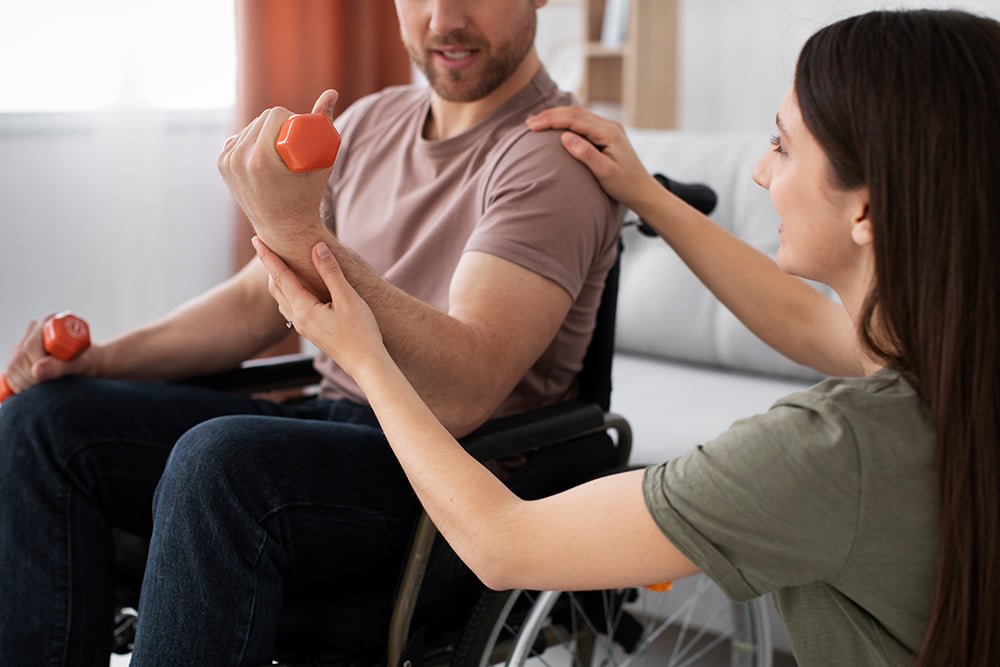
Physical therapy can address walking, balance, strength, coordination, endurance, transfers, and other movement skills. Treatment may also help patients develop safer movement patterns and improve their ability to navigate the environments they are likely to encounter after leaving the hospital.
Occupational therapy focuses on the practical activities people need to complete every day, including dressing, bathing, grooming, eating, household tasks, and other routines. Therapy may also address upper-body function, coordination, cognitive strategies, and adaptations that can make daily activities safer and more manageable.
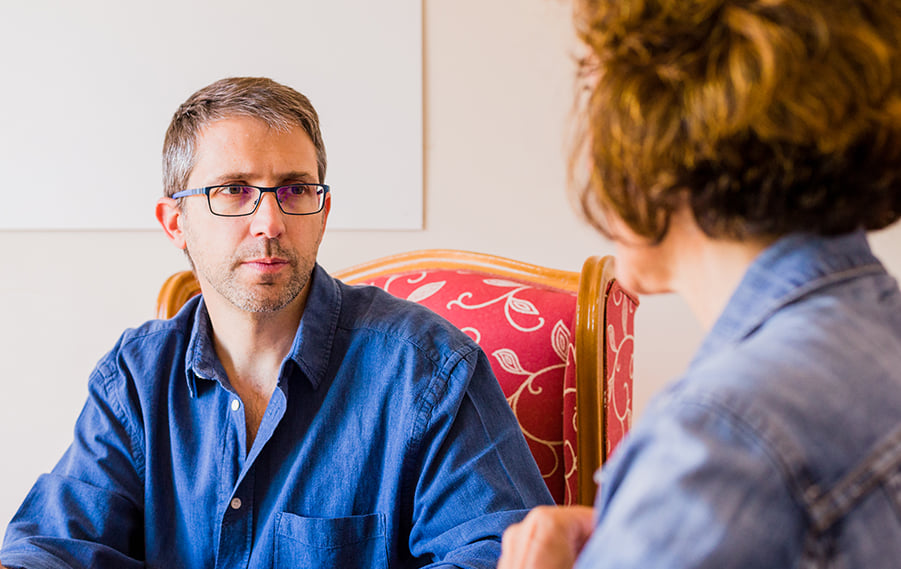
Speech-language therapy can address speaking, understanding language, reading, writing, swallowing, memory, attention, problem-solving, and other cognitive-communication abilities. For someone whose brain injury has affected thinking as well as speech, treatment can help develop strategies for processing information and communicating more effectively.
Cognitive rehabilitation may focus on attention, memory, organization, sequencing, reasoning, problem-solving, and awareness. Patients can practice these abilities through progressively challenging activities that connect cognitive skills with real tasks they may need to complete at home or in the community.
Rehabilitation becomes more meaningful when improvements can be applied to everyday situations. Patients may therefore practice combinations of physical, cognitive, and communication skills during activities that resemble the routines they will face after discharge.
Brain injuries can affect movement in many different ways, from obvious weakness to subtle problems with balance, timing, coordination, or awareness of body position. A patient may have enough strength to stand while still struggling to maintain balance, coordinate a step, change direction, or respond safely when the environment changes. Physical therapy examines these individual limitations and develops treatment around the movements most relevant to the patient's functional goals.
Endurance also deserves attention during brain injury rehabilitation. Neurological recovery can make activities unusually demanding, while hospitalization and reduced activity may contribute to deconditioning. Gradually building activity tolerance can help patients participate more effectively in therapy and prepare for the physical demands of everyday life.
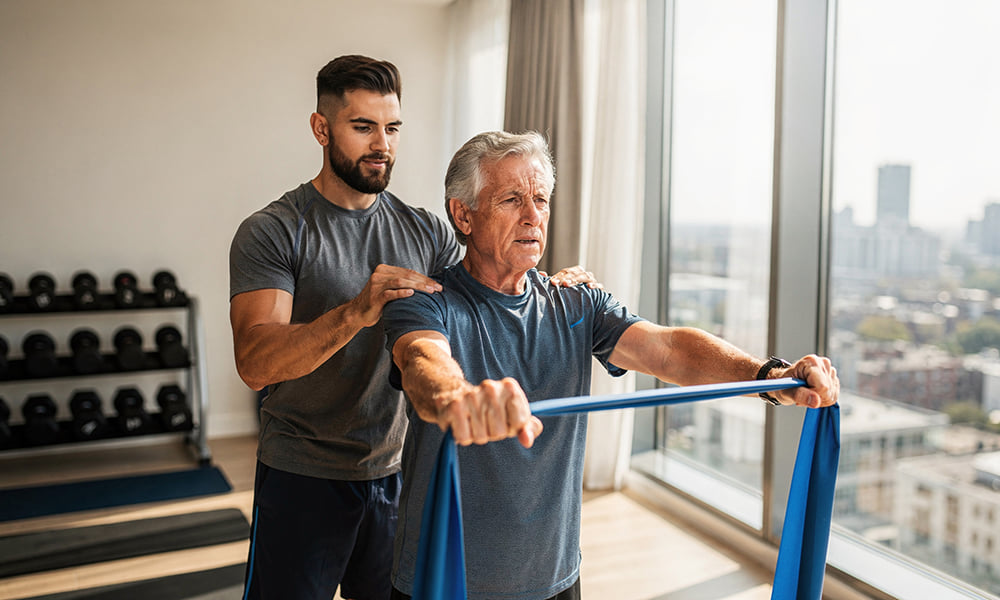
Being able to move is important, although independence also depends on what someone can accomplish once he or she gets where they are going. Occupational therapy addresses the everyday activities that allow people to take care of themselves and participate more fully in their normal routines. Skills such as dressing, grooming, bathing, eating, organizing personal belongings, and completing household activities can become important rehabilitation goals after a brain injury.
The eventual goal is not simply to perform well during a therapy exercise. Rehabilitation should help patients carry improved skills into daily life, whether that means completing an activity independently, using a safer method, relying on an appropriate adaptation, or reducing the amount of assistance required. Each meaningful gain can contribute to greater confidence and participation after discharge.
The effects of a brain injury on communication are not always as simple as being able or unable to speak. A person might speak clearly while struggling to find a particular word, follow a complex conversation, understand detailed instructions, stay focused, or remember information long enough to respond. Speech-language therapy can evaluate these different aspects of communication and cognition, then target the specific areas creating barriers in everyday life.
A typical brain injury rehabilitation process may include:
The rehabilitation team identifies physical, cognitive, communication, and functional limitations while learning which activities are most important for the patient's return to everyday life.
Patients participate in scheduled rehabilitation designed to address their individual needs, with activities adjusted as abilities and endurance improve.
Memory, attention, reasoning, communication, coordination, mobility, and self-care abilities can be practiced repeatedly through exercises and functional activities.
The care plan can evolve as therapists observe improvements, persistent challenges, and new needs that become apparent during recovery.
Rehabilitation increasingly emphasizes the skills and strategies the patient may need after discharge, helping support a safer transition from the inpatient environment.
No two patients should expect identical rehabilitation experiences because two people with seemingly similar brain injuries may have very different strengths and limitations. One patient may need substantial work on mobility while retaining strong communication skills, whereas another may walk independently yet need intensive help with memory, judgment, or organization. Individualized treatment allows rehabilitation time to be directed toward the challenges most likely to affect that person's safety and independence.
Cognitive difficulties can be among the most frustrating effects of a brain injury because they may interfere with activities that previously required little conscious effort. Remembering instructions, switching attention between tasks, planning an activity, recognizing a mistake, or keeping track of several pieces of information can suddenly become exhausting. Cognitive retraining gives patients structured opportunities to practice these abilities while learning strategies that can make daily tasks easier to manage.
Treatment should also connect cognitive skills with practical situations. Remembering an arbitrary list can exercise memory, although rehabilitation becomes especially useful when patients learn strategies they can apply to schedules, instructions, conversations, household responsibilities, and other real-world needs. Repeated practice in different contexts can help patients become more comfortable applying those strategies beyond a single exercise.
Repetition plays an important role in neurological rehabilitation, although effective therapy involves more than repeating the same exercise indefinitely. Tasks can be modified as patients improve, allowing treatment to become progressively more challenging while remaining tied to functional goals. A patient might begin by practicing a movement or cognitive skill in a controlled setting before eventually applying that ability during a more complex activity.
Real-life practice can also reveal combinations of challenges that isolated exercises may miss. Someone may remember instructions while sitting quietly yet have trouble doing the same thing while walking, talking, or responding to distractions. Integrating physical and cognitive demands helps prepare patients for the environments they are likely to encounter outside the rehabilitation hospital.
The purpose of rehabilitation is to help patients make meaningful functional progress, not simply produce better scores during isolated therapy activities. Outcomes depend on many factors, including the cause and severity of the brain injury, the areas of the brain affected, the patient's medical condition, previous level of function, and individual response to rehabilitation. No responsible rehabilitation program can guarantee a particular result, although focused therapy can help patients work toward the highest practical level of independence available to them.
Successful brain injury rehabilitation also involves learning how to work with abilities that may still be recovering. Compensation strategies, adaptations, new routines, and increased awareness can sometimes help patients function more effectively even when a particular limitation has not completely resolved. Recovery is therefore about both restoration and adaptation, with each contributing to greater participation in everyday life.
Independence after a brain injury does not necessarily mean doing everything without assistance immediately. A more practical goal is helping each patient safely perform as much as possible while identifying the level of support still needed. As strength, cognition, communication, and functional abilities improve, patients may gradually require less physical assistance, fewer reminders, or simpler strategies to complete their routines.
A brain injury affects more than the person receiving treatment. Family members may suddenly find themselves learning unfamiliar terminology, adjusting expectations, helping with decisions, and trying to understand changes in a loved one's behavior or abilities. Clear communication about rehabilitation goals and progress can make this period easier to navigate while helping families understand the skills a patient is practicing.
Discharge represents an important milestone, although it is rarely the end of brain injury recovery. The transition out of inpatient rehabilitation should reflect the patient's current abilities, ongoing needs, safety considerations, and functional goals. Therapy during the inpatient stay can increasingly emphasize tasks and strategies that will matter in the setting to which the patient is returning.
Choosing where to receive brain injury rehabilitation is an important decision because neurological recovery can involve far more than restoring strength. Patients may need help reconnecting physical movement with cognition, communication, judgment, coordination, and everyday function, which makes a comprehensive rehabilitation approach particularly valuable. Acadiana Rehabilitation Hospital provides inpatient rehabilitation in Lafayette with treatment centered on helping patients work toward meaningful abilities they can use beyond the hospital.
When you or someone you care about needs specialized inpatient brain injury rehabilitation in Lafayette, choose Acadiana Rehabilitation Hospital for some of the best brain injury rehabilitation services around. Our team is ready to help patients work toward greater function, confidence, and independence through focused rehabilitation designed around the person behind the diagnosis. Contact Acadiana Rehabilitation Hospital today to learn more about admission and start the next stage of recovery.
Hear From Our Patients
Visiting Hours:
Monday - Friday: 4PM-8PM
Saturday: 12PM-8PM
Sunday: 8AM-8PM
© Acadiana Rehabilitation 2026
All Rights Reserved