
314 Youngsville Highway Lafayette, LA 70508 (337) 330-2051 Acadiana Rehab
Visiting Hours:
Monday - Friday: 4PM-8PM
Saturday: 12PM-8PM
Sunday: 8AM-8PM
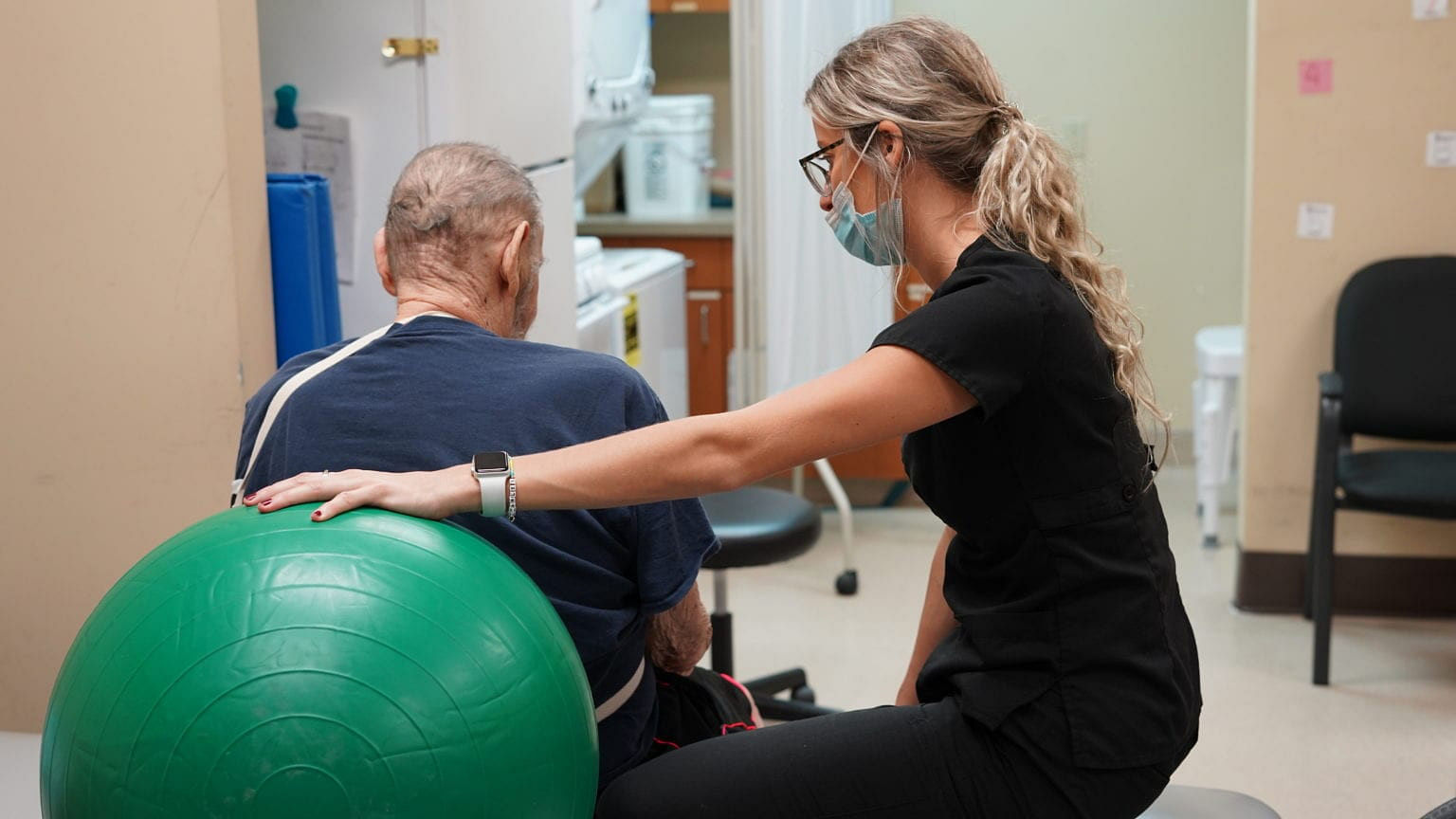
When it comes to pain management skills, patients at Acadiana Rehabilitation Hospital often notice the difference in how we listen, measure, and tailor a plan before they notice any device in the room, which is exactly the point, since the most reliable path to lasting results still runs through thoughtful hands-on care and well-structured movement training. Technology can play a supportive role, and our team uses the latest strategies for pain modulation when appropriate. Still, the heart of modern physical therapy remains human, evidence informed, and deliberately personal.
Many of the most effective updates in the field are refinements of fundamentals, not a wholesale replacement of what already works. Better screening, more precise progressions, clearer patient education, and intentional recovery planning help people move sooner and with more confidence, which often shortens episodes of care. This lens keeps the focus on what you can do in your body today rather than on what a machine can do to your body.
A treatment plan that emphasizes technique, dosage, and consistency allows you to carry progress out of the clinic and into daily life. The result is an approach that feels less like a quick fix and more like a durable shift in how you move, load, and trust your body.
Modern evaluations look beyond a single painful joint and zoom out to movement patterns, workload tolerances, and habits that either help or hinder recovery. Your therapist might pair standard range of motion and strength testing with functional tasks such as sit-to-stand, step-downs, or gait observation, then retest right after an intervention to confirm that what you felt actually shows up in measurable change.
This test-retest rhythm keeps the plan honest and individualized, because the next visit is guided by what just worked, not by a generic protocol. When assessment is that tight, exercise selection becomes cleaner, flares are easier to prevent, and small wins stack faster.
One of the biggest advances is not a tool but a conversation, since learning how pain works can reduce fear and restore options. Pain can be like a car alarm that is a bit too sensitive, especially after injury or a long stressful season, and understanding that sensitivity helps you stop interpreting every signal as damage. When fear drops, movement tends to improve, and when movement improves, the nervous system receives steady, reassuring input.
We weave short, practical explanations into sessions, using them to frame why you are practicing a particular motion or pace. TENS can assist here as a short-term pain gate, offering enough relief to begin quality repetitions, yet education and progressive loading carry the long-term change.
Graded exposure gradually reintroduces movements or positions that your brain has flagged as threatening, which teaches your system that those actions are safe again. Instead of avoiding stairs, squats, or overhead reach altogether, you rebuild them in digestible layers, adjusting depth, tempo, or load until your confidence returns.
This strategy works especially well for persistent pain, because it measures success by tolerance and function rather than by the absence of any sensation. The process is respectful of your baseline yet steady in its direction, taking you from what you can do to what you need to do without unnecessary detours.
Tendons thrive on tension that is firm, consistent, and progressive, which is why isometric and eccentric training has become a go-to sequence for issues like patellar, Achilles, or lateral elbow pain. Isometrics, where the muscle contracts without joint movement, can lower pain and provide a calm entry point for loading, setting the stage for eccentrics that lengthen the muscle under control.
These drills are not glamorous, though they are wonderfully specific, targeting the tissue qualities that matter for tendons. Your therapist will tune angle, hold time, and tempo so the exercise feels challenging but repeatable, guiding you toward stronger, springier tissue that handles real life more easily.
Blood flow restriction uses a snug, monitored cuff to reduce venous return in a limb while you perform light resistance exercises, which can stimulate strength and hypertrophy responses at loads that are much easier on joints. This is particularly helpful when heavy lifting is not yet tolerated after surgery or injury, allowing you to train without overtaxing recovering structures.
We deploy this method judiciously and only when it matches your goals, medical status, and comfort. The win is not the cuff itself, but the access it provides to quality work that would otherwise be out of reach at that stage of healing.
Strength matters, yet how you coordinate that strength through range is often the difference between progress and plateau. Movement retraining sharpens the timing and control of key regions such as hips, trunk, and shoulder blade, improving the way energy flows through the chain. You might practice a hip hinge to spare your low back during lifts, or refine scapular mechanics to free an overhead press.
These sessions balance cues and exploration, encouraging an external focus such as tapping a target or stepping over a line rather than obsessing over isolated body parts. Small shifts in attention can unlock smoother movement with fewer words and less effort.

Hands-on techniques remain valuable when they reduce pain or stiffness enough to make quality repetitions possible. Joint mobilizations, soft tissue work, and instrument-assisted techniques can all create windows of opportunity in which you move better, and modern practice uses those windows immediately for active drills that lock in the gain.
Manual care is most effective when it is a bridge, not the destination, because lasting results depend on you owning the new range with strength and control. The touch helps, the training holds.
The trend is toward safe, earlier motion that protects healing tissue while preventing the deconditioning and stiffness that come with long immobilization. Gentle range drills, targeted isometrics, and circulation work support swelling control and restore joint nutrition, which sets you up for smoother strength phases later. The combination of calm input and gradual motion convinces your system that recovery is underway, which is exactly the message it needs.
Balance training has grown more realistic, shifting from static stances to variable, task-oriented challenges that look like life. You might practice quick direction changes, carry objects while turning your head, or step over low obstacles while a therapist adds light perturbations, all of which sharpen reactive control. Dual-task drills, where you solve simple problems while moving, add another layer that prepares you for busy environments.
Vestibular therapy follows a similar path with gaze stabilization and habituation exercises that retrain the inner ear and its connections. The goal is not circus tricks, but confident, automatic balance that frees you to move without second-guessing every step.
Another welcome advance is a more nuanced view of “core” training. Instead of chasing tightness, we train the trunk to coordinate breathing, bracing, and movement so it can stiffen when needed and relax when appropriate. That dynamic control supports lifting, running, and reaching in ways that feel strong rather than rigid.
Typical progressions move from positional awareness to loaded patterns that mirror your life, such as carries, hinges, and step-ups. The payoff is a body that feels capable and adaptable, not merely braced.
Pelvic health care has expanded beyond niche clinics, which is good news for people dealing with issues like postpartum recovery, urinary urgency, or pelvic pain. Interventions often include simple lifestyle strategies, gentle mobility for hips and trunk, and progressive pelvic floor coordination that teaches muscles to relax and contract on cue. Education is central here, because understanding triggers, hydration, and breath mechanics removes much of the mystery and stigma.
These visits remain respectful and patient-led, with a pace that matches comfort and goals. The guiding idea is functional freedom, whether that means chasing kids, walking for exercise, or returning to demanding work with fewer limitations.
Another leap forward is the recognition that sleep, stress, and daily activity patterns either amplify or blunt the benefits of therapy. Simple targets like a daily walking plan, a consistent bedtime routine, and basic protein intake can make joints feel friendlier and muscles respond faster to training. These are not side notes, because tissues remodel between sessions, not during them.
We also coach pacing strategies that prevent the all-or-nothing cycle, teaching you to distribute workload across the week and to build in brief movement snacks on busy days. Consistency beats heroics, especially when you are rebuilding confidence after a painful spell.
Expect a conversation that clarifies your goals, a focused assessment that identifies the most influential limits, and a plan that prioritizes two or three actions you can begin immediately. Sessions typically combine a small dose of hands-on care with targeted exercise, motor control drills, and practical coaching you can use as soon as you walk out. If pain is high, we may use a short TENS bout to help you tolerate quality movement.
Progress markers are simple and meaningful, such as how many stairs you can manage without a flare, how far you walk before symptoms rise, or how confidently you get up from the floor. Those markers guide the next progression so you always know why you are doing what you are doing.
Home work is short and focused, because the best plan is the one you can stick with on a full schedule. We favor a few exercises performed well over a long list you cannot remember, and we adjust the plan quickly if something is not serving you. Daily habits such as brief walks, movement snacks after sitting, and gentle recovery drills give you several chances to win each day.
Communication remains open, with clear expectations for what normal soreness might feel like and when to modify. The goal is self-management, which means you own the momentum while we provide the map and the checkpoints.
People with recent sprains or strains, post-operative patients, and those managing long-standing pain all benefit from this refined approach. The blend of education, graded exposure, targeted strength, and judicious symptom modulation meets you where you are, whether you are returning to a demanding job, lifting grandkids, or getting back to recreational sport. The process is both structured and adaptable, which is exactly what real life requires.
Improvements tend to spill into areas you did not expect, such as better sleep, steadier energy, and more confidence during errands or travel. Those quiet wins are often what patients appreciate most, because they mean progress is showing up outside the clinic.
Your body already owns a remarkable capacity to learn and adapt, and modern physical therapy simply organizes that capacity so it works for you instead of against you. If you are ready for a plan that blends clear education, progressive movement, supportive hands-on care, and short, strategic use of technology, the team at Acadiana Rehabilitation Hospital is here to help. Reach out to schedule an evaluation, bring your goals and your questions, and start building the stronger, easier movement you have been missing.
Visiting Hours:
Monday - Friday: 4PM-8PM
Saturday: 12PM-8PM
Sunday: 8AM-8PM
© Acadiana Rehabilitation 2026
All Rights Reserved