
314 Youngsville Highway Lafayette, LA 70508 (337) 330-2051 Acadiana Rehab
Visiting Hours:
Monday - Friday: 4PM-8PM
Saturday: 12PM-8PM
Sunday: 8AM-8PM
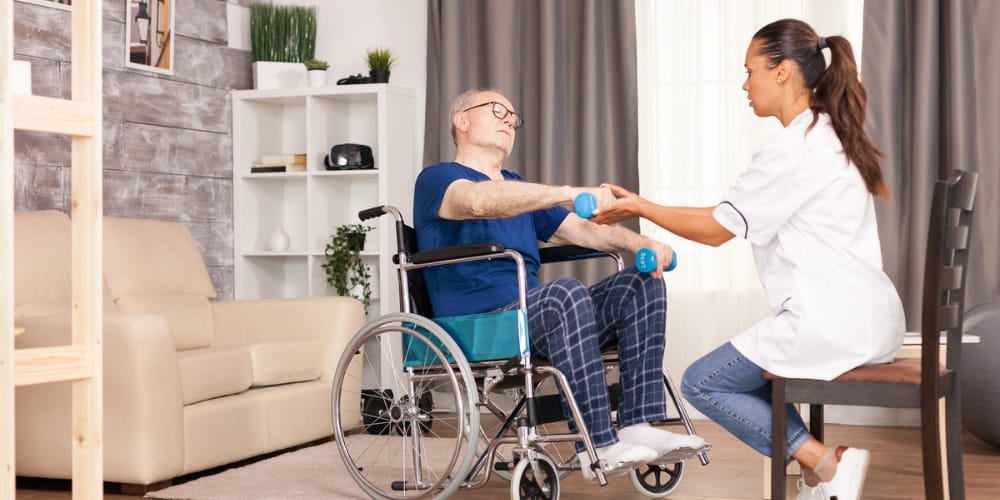
A stroke can change life in a moment, yet recovery often unfolds through many small, meaningful steps. For many patients, physical therapy becomes one of the most important parts of rebuilding strength, movement, confidence, and independence after a stroke. While each person’s recovery looks different, therapy can help the brain and body work together again through guided movement, repetition, education, and encouragement. At Acadiana Rehabilitation Hospital, physical therapy is part of a supportive rehabilitation approach designed to help patients move forward with purpose after a life-changing medical event.
Stroke recovery is not only about learning to walk again, although walking may be a major goal for many patients. It can also involve sitting upright safely, standing with better balance, transferring from a bed to a chair, improving endurance, strengthening weakened muscles, and reducing the risk of falls. Physical therapists look closely at what each patient can do now, what they want to do next, and what steps are needed to close that gap. This practical, goal-focused care can make the recovery process feel less overwhelming because progress is broken into achievable pieces.
A stroke occurs when blood flow to part of the brain is interrupted or when bleeding affects brain tissue, and the results can vary widely depending on the area involved. Since the brain controls movement, balance, coordination, sensation, and muscle tone, a stroke may cause weakness on one side of the body, trouble walking, poor coordination, or difficulty maintaining posture. Some patients may also experience stiffness, fatigue, dizziness, reduced awareness of one side of the body, or fear of moving because they worry about falling. These changes can make everyday tasks, such as getting out of bed or walking to the bathroom, feel much harder than they did before.
Physical therapy addresses these movement challenges by helping patients practice safe, purposeful activity in a structured setting. A therapist may begin with basic positioning, assisted sitting, or supported standing before moving into more advanced activities, depending on the patient’s current abilities. Since the nervous system can adapt through repeated practice, therapy often focuses on consistent movement patterns that encourage the brain and body to reconnect. This steady repetition may not feel dramatic day by day, yet it can create a foundation for better function over time.
Muscle weakness after a stroke can make the body feel unpredictable, especially when one side responds differently than the other. Physical therapists use targeted exercises to help patients build strength in weakened areas while also improving control, timing, and coordination. These exercises may involve the legs, hips, core, arms, shoulders, or trunk, depending on how the stroke affected the patient’s body. Since recovery is not simply about making muscles stronger, therapy also focuses on helping those muscles work together in safer, more useful ways.
A patient may practice lifting a foot, shifting weight from one side to the other, standing from a seated position, or taking controlled steps with support. These movements may seem simple from the outside, yet after a stroke, each one can require focus, effort, and careful guidance. Therapists adjust each activity so the patient is challenged without being pushed beyond what is safe. This balance matters because the right level of difficulty can build confidence while still encouraging real progress.
Balance problems are common after a stroke, and they can affect nearly every part of daily life. A person who feels unsteady may avoid walking, hesitate during transfers, or become dependent on others for tasks they could otherwise relearn with support. Physical therapy helps patients improve balance through exercises that train posture, weight shifting, coordination, and controlled movement. As balance improves, patients often gain more confidence in their ability to move through their environment.
Therapists may work with patients on sitting balance first, especially if standing is not yet safe. From there, therapy may progress to standing balance, stepping activities, turning, reaching, or walking on different surfaces. The goal is not only to help the patient stand still without falling, but also to help them respond to real-life situations, such as reaching for an object or changing direction in a hallway. Since falls can lead to injuries and setbacks, this part of therapy is central to a safer recovery.
Walking is one of the most meaningful goals for many stroke survivors because it affects independence at home, in the community, and during basic daily routines. Gait training is the part of physical therapy that focuses on helping patients improve the way they walk. This may include step length, foot placement, posture, weight transfer, leg strength, endurance, and the use of assistive devices when needed. A therapist watches how the patient moves and then guides practice that targets the specific problems affecting their walking pattern.
Some patients may need parallel bars, a walker, a cane, a brace, or hands-on assistance during early gait training. Others may already be walking but need help improving endurance, safety, speed, or coordination. Physical therapists can also help patients learn how to navigate turns, doorways, ramps, stairs, and uneven surfaces when appropriate. These practical skills matter because walking in real life is rarely as simple as moving in a straight line across a smooth floor.
One of the most encouraging parts of stroke rehabilitation is the brain’s ability to adapt after injury. This process is often described as neuroplasticity, which means the brain can form new connections and strengthen existing ones through practice. Physical therapy supports this process by encouraging repeated, meaningful movement that relates to real-life function. The more purposeful the practice, the more useful it may become in daily activities.
For example, a patient who wants to return to walking independently may practice standing, shifting weight, stepping, turning, and building endurance. A patient who needs to transfer safely may work on trunk control, leg strength, hand placement, and balance during sit-to-stand movements. These activities are not random exercises because they connect directly to the patient’s personal goals. When therapy is built around meaningful tasks, patients can often see how each session relates to the life they want to regain.
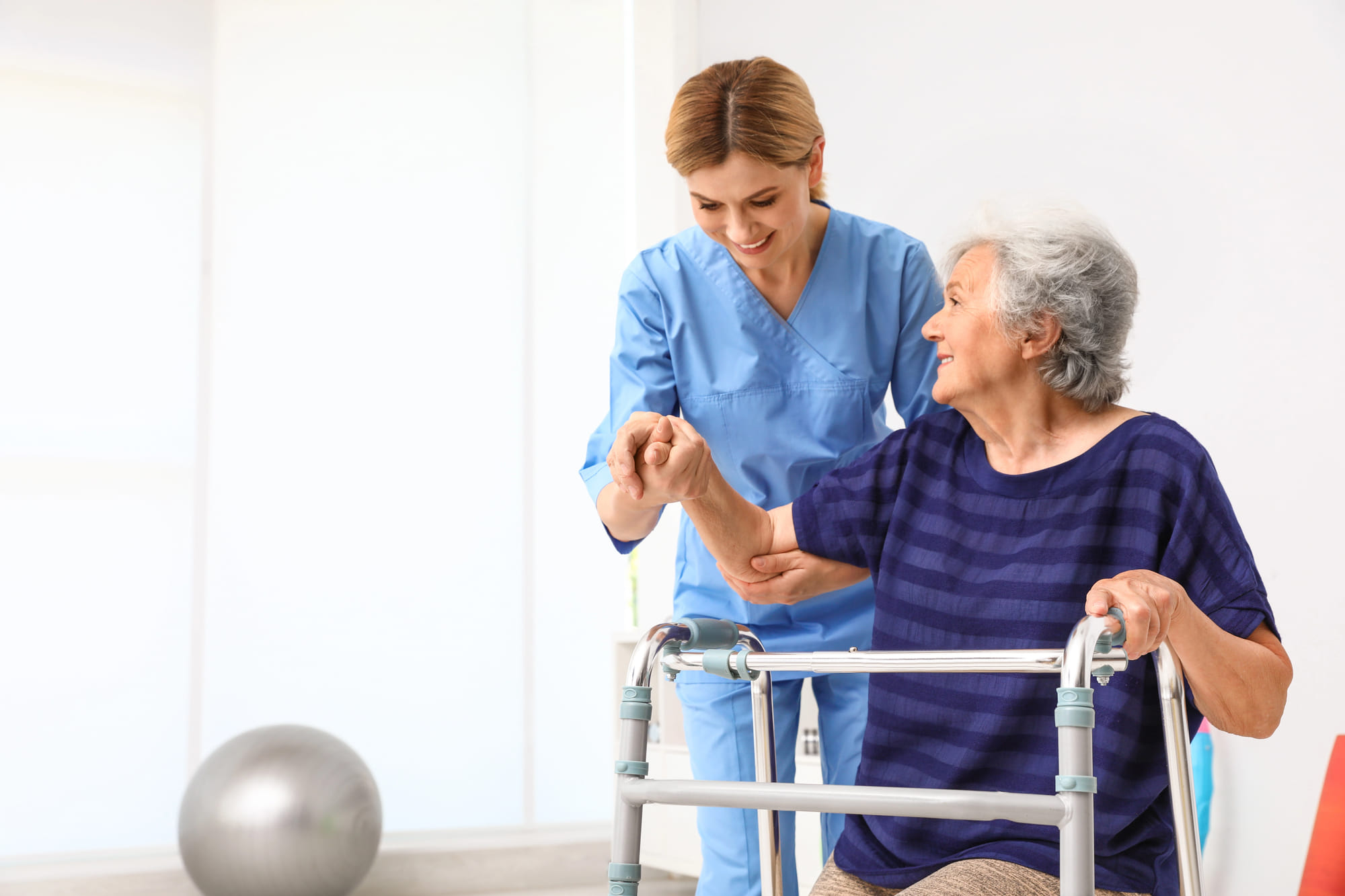
Rehabilitation often begins as soon as the patient is medically ready, because early movement can help reduce complications and support functional recovery. After a stroke, long periods of immobility may contribute to weakness, stiffness, reduced endurance, skin problems, and a greater fear of movement. Physical therapy helps patients begin moving safely, even if that movement starts with positioning, sitting, or simple assisted exercises. Early intervention can also give families a clearer picture of what recovery may involve.
Early therapy does not mean rushing the patient before they are ready. Instead, it means using careful clinical judgment to begin appropriate activities at the right time. A therapist considers medical status, fatigue, strength, balance, cognition, and safety before choosing each intervention. This thoughtful approach helps patients participate in recovery while protecting them from unnecessary risk.
No two stroke recoveries are exactly alike, which is why individualized therapy plans are so important. One patient may need intensive work on walking and balance, while another may need help building enough trunk control to sit safely. Some patients may progress quickly during certain stages and slowly during others, while others may need extra time to regain confidence before attempting more difficult activities. A strong therapy plan respects those differences instead of forcing every patient into the same path.
Physical therapists create goals that match the patient’s current abilities, medical needs, home environment, and personal priorities. A goal might involve walking a certain distance, transferring with less assistance, climbing steps, standing long enough to complete a task, or moving safely with a caregiver nearby. These goals give therapy direction, and they also help patients recognize progress that might otherwise be easy to overlook. In stroke recovery, a few more steps, a steadier transfer, or better sitting balance can represent a major victory.
Stroke recovery does not stop when a therapy session ends, which is why family education can be an important part of the rehabilitation process. Loved ones may need to understand how to assist with transfers, encourage safe movement, support home exercises, and recognize situations that could increase fall risk. Physical therapists can teach practical strategies that help families feel more prepared instead of uncertain or afraid. This education can make the transition from hospital to home feel more manageable.
Families also benefit from learning how to encourage independence without doing too much for the patient. It can be natural to step in quickly when a loved one struggles, yet recovery often requires safe practice and patient effort. Therapists can explain when assistance is helpful, when supervision is enough, and when the patient may need more time to complete a task. With the right guidance, families can become active partners in recovery while still promoting confidence and independence.
Physical therapy is a major part of stroke recovery, yet it often works alongside other rehabilitation services. Occupational therapy may help patients rebuild skills needed for dressing, bathing, grooming, cooking, and other daily activities. Speech therapy may address swallowing, communication, memory, problem-solving, or cognitive skills when those areas are affected by the stroke. Nursing care, medical oversight, case management, and family support can also play important roles in helping the patient recover safely.
Acadiana Rehabilitation Hospital provides an environment where patients can receive coordinated support from professionals who understand the challenges of recovery. This team approach matters because stroke can affect many parts of a person’s life at once. When therapists and medical professionals communicate, the patient’s care can feel more organized, consistent, and goal-driven. That kind of coordination can help patients make progress while also helping families understand what comes next.
Stroke recovery can feel frustrating because progress is not always smooth or predictable. Some days may bring clear improvements, while other days may feel slower because of fatigue, soreness, fear, or the natural ups and downs of healing. Physical therapists help patients stay focused on measurable progress while also adjusting the plan when the body needs a different pace. This flexibility is important because recovery requires both effort and patience.
Small improvements deserve attention because they often build into larger gains over time. A patient may first sit more steadily, then stand with less help, then take more controlled steps, then walk farther with better balance. Each stage prepares the body and brain for the next one. When patients and families learn to value these steps, the recovery process can feel more hopeful and less discouraging.
Acadiana Rehabilitation Hospital is here to support patients and families during that important journey. With a compassionate rehabilitation team and a patient-centered approach, the hospital helps stroke survivors work toward meaningful goals in a structured, encouraging environment. Recovery may begin with small steps, but those steps can lead to stronger movement, safer routines, and renewed confidence. To learn more about stroke rehabilitation and physical therapy services, choose Acadiana Rehabilitation Hospital for care that helps patients move forward with purpose.
Visiting Hours:
Monday - Friday: 4PM-8PM
Saturday: 12PM-8PM
Sunday: 8AM-8PM
© Acadiana Rehabilitation 2026
All Rights Reserved