
314 Youngsville Highway Lafayette, LA 70508 (337) 330-2051 Acadiana Rehab
Visiting Hours:
Monday - Friday: 4PM-8PM
Saturday: 12PM-8PM
Sunday: 8AM-8PM
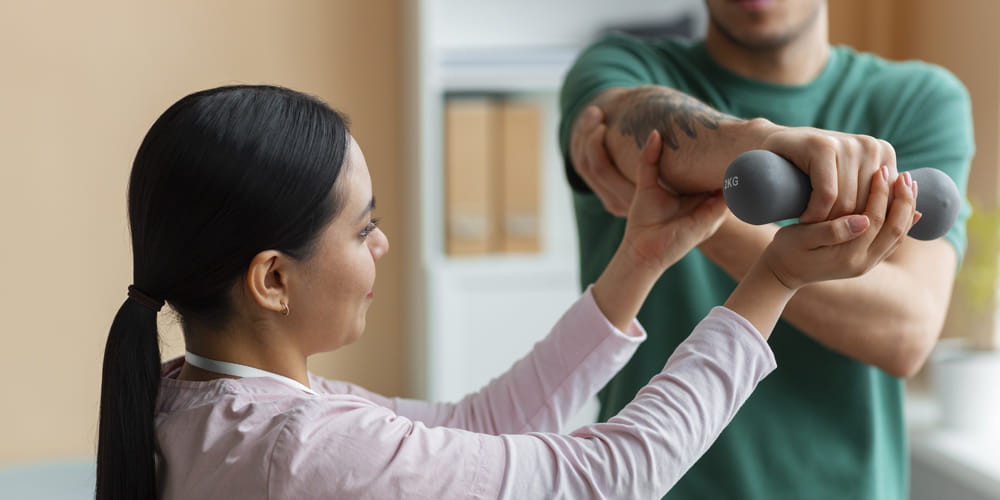
Physical rehabilitation can feel overwhelming at first, especially when you are dealing with pain, weakness, limited movement, or the stress that follows an illness, injury, or surgery. Many people know they need therapy, but they do not always understand how recovery tends to unfold over time. That uncertainty can make the process feel more difficult than it needs to be. When you understand the different phases of physical rehabilitation, it becomes easier to see how each step supports the next one.
At Acadiana Rehabilitation Hospital, rehabilitation is not treated like a one-size-fits-all routine that looks the same for every patient. Recovery is a gradual process that often moves through distinct stages, each with its own goals, challenges, and milestones. Some people begin rehab after a stroke, while others are rebuilding strength after surgery, a serious fall, a traumatic injury, or a long hospital stay. No matter the reason, understanding the phases of rehabilitation can help patients and families feel more confident, prepared, and hopeful.
The first phase of physical rehabilitation usually begins with a full evaluation, because a strong plan must be built on a clear picture of the patient’s needs. Therapists and rehabilitation professionals look at mobility, pain levels, balance, strength, endurance, and the ability to perform everyday tasks safely. They also consider medical history, current limitations, and the patient’s long-term goals, whether that means walking independently, climbing stairs, returning home, or getting back to work. This stage matters because successful rehabilitation depends on setting realistic goals that are both meaningful and measurable.
A good evaluation does more than identify what is difficult in the moment because it also helps reveal what the patient may be capable of with the right treatment approach. Someone who cannot stand without help today may still have strong potential for steady improvement over the coming weeks. A patient who feels discouraged at the start may discover that progress is possible when therapy is structured, consistent, and personalized. That is why the planning phase is not just paperwork, it is the foundation for the entire recovery process.
The early phase of rehabilitation focuses on stability, safety, and preventing further decline while the body begins to recover. At this point, patients may still be dealing with pain, swelling, severe weakness, fatigue, limited range of motion, or neurological symptoms that affect coordination and movement. Therapy often begins with simple but important activities such as bed mobility, transfers, assisted standing, gentle stretching, breathing exercises, and short periods of walking with support. Even when the exercises look basic, they are often critical because they help the patient rebuild tolerance for movement and begin restoring confidence.
This phase can be frustrating for patients who want faster results, especially if everyday tasks suddenly feel hard or exhausting. Getting out of bed, sitting upright, or walking across a room may require far more effort than expected, which can be discouraging if a person compares their current ability to how they lived before the setback. Still, this stage is where many important gains begin, because the body and brain are relearning movement patterns while the care team works to reduce complications. Small wins matter here, and each one creates momentum for the next stage of rehabilitation.
One major goal in the beginning of rehabilitation is protecting healing tissues while still encouraging safe movement. After surgery or injury, patients may have restrictions that limit how much weight they can place on a limb, how far they can bend a joint, or how quickly they can progress through certain activities. Therapists help patients move in ways that support healing rather than interfere with it, which is especially important after orthopedic procedures, fractures, spinal conditions, or major medical events. Rehabilitation during this stage is about balance, because resting too much can slow recovery while doing too much too soon can create setbacks.
Pain management is also a central part of this phase, but good rehabilitation does not depend on chasing complete comfort before activity begins. Instead, therapy helps patients understand the difference between expected soreness, guarded movement, and signs that something needs closer attention. Patients often learn strategies such as proper positioning, pacing, body mechanics, and controlled exercise to make movement more manageable. That education is valuable because it helps reduce fear, and fear can become one of the biggest barriers to progress if it is not addressed early.
As patients move into the next phase of physical rehabilitation, the focus usually shifts toward rebuilding strength, coordination, endurance, and more consistent mobility. This is often the stage people picture when they think about rehab, because it includes more active exercise, more repetitions, and gradually increased physical demands. Patients may work on walking farther, standing longer, improving balance, transferring with less help, and completing more challenging therapeutic movements. The body is beginning to tolerate more, which means therapy can become more dynamic and more goal-driven.
Still, strength alone does not define recovery, because a person can be stronger and still struggle with daily function if movement quality has not improved. That is why this stage often includes work on posture, gait mechanics, joint control, weight shifting, and coordination between muscles. A patient may practice stepping safely, reaching without losing balance, or rising from a chair with better control rather than simply pushing through the motion. These details matter because better movement patterns can improve safety, reduce pain, and support long-term independence.
Functional training is the phase of rehabilitation where therapy becomes closely tied to the activities of real life. While exercises remain important, treatment increasingly focuses on what the patient needs to do outside the therapy gym, such as getting dressed, bathing, walking through the house, managing stairs, getting in and out of a car, or preparing to return to a community environment. This is where rehabilitation starts to feel especially practical, because patients can see a direct connection between what they practice in therapy and what they want to accomplish at home. Progress becomes easier to appreciate when it is linked to daily independence.
For some patients, functional training may involve relearning basic self-care after a stroke or serious illness. For others, it may mean recovering the physical ability to manage work demands, household tasks, or recreational activities that mattered before the injury or medical event. Therapists often simulate real-world challenges so patients can practice them safely before facing them alone. That approach helps bridge the gap between clinical progress and real-life readiness, which is one of the most important goals in physical rehabilitation.
During the middle phase of rehabilitation, patients often begin to do more physically, but they also face a different kind of challenge, which is trusting their body again. Someone may have enough strength to walk farther, but still hesitate because they are afraid of falling. Another patient may be healing well after surgery, yet remain nervous about bearing weight, bending, or using the affected area normally. Confidence does not always return at the same pace as physical ability, which is why this phase requires encouragement, repetition, and careful progression.
Therapists play an important role here by helping patients test their abilities in safe and structured ways. Repeated success can reduce hesitation, and that matters because fear often changes how a person moves. Guarded movement can limit progress, create inefficient patterns, and even increase discomfort over time. When patients learn that they can move more normally, tolerate more activity, and complete important tasks safely, rehabilitation begins to feel less like recovery from a setback and more like a return to life.
The advanced phase of physical rehabilitation focuses on higher-level goals, greater independence, and preparation for life after formal therapy. At this point, patients may be working on more demanding exercises, longer walking distances, advanced balance tasks, stair navigation, uneven surfaces, or activity-specific goals. The purpose is not simply to make therapy harder, but to make it more relevant to what the patient will actually face once they leave the rehabilitation setting. This phase often helps identify the final barriers that stand between a patient and a safer, more confident return to daily routines.
For some people, advanced rehabilitation may include return-to-work preparation, especially if their job requires lifting, standing, walking, or repetitive movement. For others, it may involve community reintegration, which can mean navigating public spaces, managing fatigue during longer activities, or building the endurance needed for independent living. Patients recovering from neurological conditions may continue refining coordination, attention to movement, and dual-task performance. This stage is often rewarding because progress becomes easier to see in real-world terms, even though it still requires patience and consistency.
Although many patients move through similar phases, the timeline and treatment priorities can vary widely depending on the cause of rehabilitation. A person recovering from joint replacement may move through the stages differently than someone rebuilding function after a stroke, spinal cord injury, brain injury, amputation, or prolonged hospitalization. Some conditions require a strong focus on balance and gait, while others place greater emphasis on coordination, endurance, cognitive involvement, or adapting to lasting physical changes. Rehabilitation is most effective when it respects those differences instead of forcing everyone into the same pattern.
That individualized approach is important because recovery is rarely linear, and patients often improve in one area before another. A patient may regain strength before balance, or mobility before endurance, or independence with daily tasks before full confidence returns. Temporary plateaus can happen even when treatment is working, which is why progress should be measured by more than one standard. When a rehabilitation team understands the condition, the patient, and the bigger picture, the phases of therapy can be adjusted to support steady forward movement.
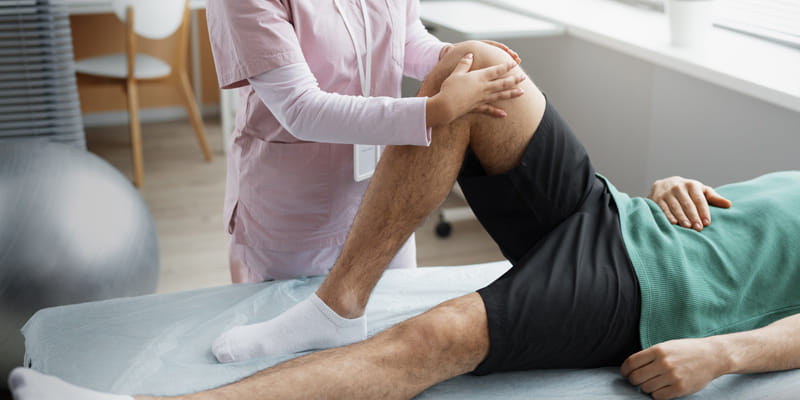
Physical rehabilitation is never only physical, because setbacks in movement often affect mood, motivation, identity, and relationships. Patients may feel frustrated by slow progress, embarrassed by needing help, or worried that they will never get back to where they were before. Those emotions are normal, but they can have a real impact on participation and recovery if they are ignored. A patient who feels discouraged may become less willing to push through difficult but appropriate therapy tasks, which can slow momentum over time.
Support matters during every phase of rehabilitation, whether that support comes from clinicians, family members, or the patient’s own growing sense of determination. Encouragement should be honest rather than exaggerated, because real progress is more meaningful than empty reassurance. Patients often respond well when they understand why an activity matters and how it fits into the larger plan. When physical rehabilitation is paired with education, compassion, and consistency, the process becomes easier to stick with even on the hard days.
Progress in physical rehabilitation is not always dramatic, and that can make it easy to miss if you only look for major breakthroughs. Often, improvement shows up in small but meaningful ways, such as needing less assistance, tolerating more activity, walking with better control, recovering faster after exertion, or managing daily tasks with less effort. These changes can seem minor from the outside, but they usually reflect real gains in strength, coordination, endurance, and independence. Over time, those smaller improvements can add up to a major change in function and quality of life.
Patients also make progress when they become safer, more efficient, and more informed about how to manage their body. Better balance, improved body mechanics, increased awareness of limitations, and stronger problem-solving skills are all signs that rehabilitation is working. Recovery is not always about returning to the exact same version of life as before, because sometimes it is about reaching the highest possible level of independence and function under new circumstances. That is why progress should be measured by what a person can do more safely and confidently, not just by how they compare to the past.
As rehabilitation moves toward discharge, the focus often shifts to maintaining progress and preventing setbacks outside the hospital or therapy setting. Patients may receive a home exercise program, education on safe mobility, guidance on assistive devices, and recommendations for adapting routines at home. This phase is important because the end of formal therapy does not mean the end of recovery. In many cases, it means the patient is ready to continue building on a stronger foundation with more independence.
Long-term success often depends on carrying healthy movement habits into everyday life. Patients who understand their condition, follow through with recommended exercises, and stay active within safe limits are often better positioned to maintain the gains they worked so hard to achieve. Families also benefit from understanding what support is helpful and what may accidentally create dependence when more independence is possible. Good rehabilitation prepares patients not only to improve during treatment, but also to keep moving forward after treatment ends.
Understanding the different phases of physical rehabilitation can make recovery feel less confusing and more manageable, especially when the path ahead seems uncertain. Each stage has a purpose, from early protection and gentle movement to functional training, advanced recovery, and preparation for everyday life. Progress may come in small steps, but those steps matter because they build the strength, confidence, and practical ability patients need to move forward. Knowing what to expect can turn rehabilitation from something that feels intimidating into something that feels purposeful.
Acadiana Rehabilitation Hospital helps patients navigate every phase of rehabilitation with a personalized, compassionate approach that keeps long-term function and independence in view. Whether someone is recovering from surgery, illness, injury, stroke, or another major medical event, the right rehabilitation plan can make a meaningful difference in how recovery unfolds. A clear plan, skilled support, and steady encouragement can help patients regain more than movement, because they can also help restore confidence in what comes next.
Visiting Hours:
Monday - Friday: 4PM-8PM
Saturday: 12PM-8PM
Sunday: 8AM-8PM
© Acadiana Rehabilitation 2026
All Rights Reserved