
314 Youngsville Highway Lafayette, LA 70508 (337) 330-2051 Acadiana Rehab
Visiting Hours:
Monday - Friday: 4PM-8PM
Saturday: 12PM-8PM
Sunday: 8AM-8PM
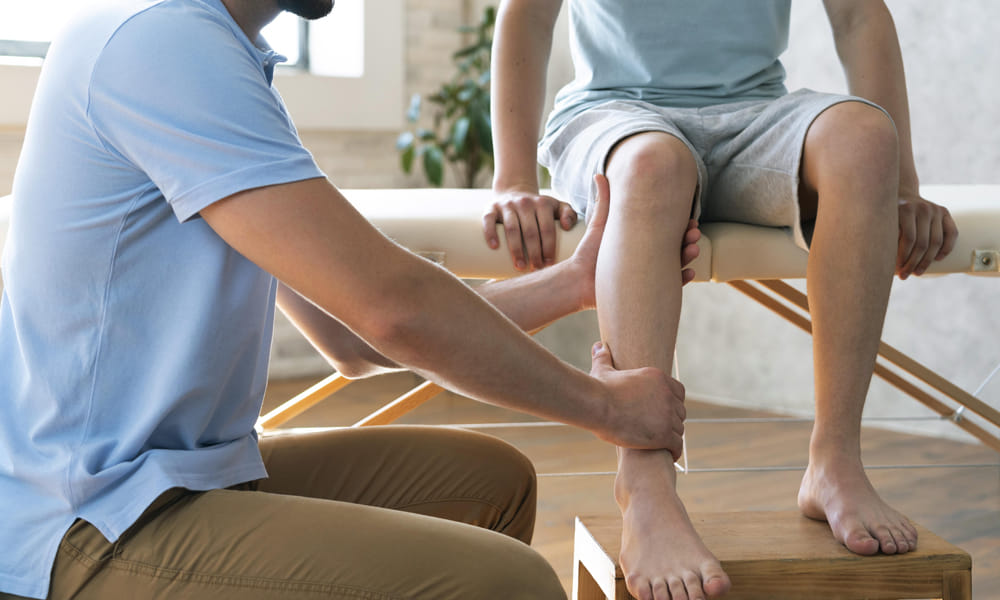
Physical and occupational therapy is often thought of as something people need after a major injury, surgery, or hospital stay, yet it can help with a much wider range of conditions than many people realize. At Acadiana Rehabilitation Hospital, physical therapy is focused on helping patients move better, regain strength, improve safety, and return to daily routines and your workplace with more confidence, whether they are recovering from a sudden medical event or dealing with a condition that has slowly made life or your career harder.
One of the main goals of physical therapy and occupational therapy is to make movement feel safer, stronger, and more natural. When pain, weakness, stiffness, poor balance, or limited endurance gets in the way, even basic activities like standing from a chair, walking across a room, climbing steps, going to and performing work, or even getting in and out of bed can become frustrating.
A physical therapist looks at how a person moves, where the difficulty is coming from, and what needs to improve for that person to function better. That may include strength training, balance work, walking practice, flexibility exercises, transfer training, coordination activities, or education on how to move in a safer way.
Combination therapy can be used for many conditions that affect muscles, joints, nerves, bones, balance, and overall mobility. Some patients come to therapy after surgery, while others are referred after a stroke, fall, illness, injury, or hospital stay that has caused a major drop in strength or independence.
Common conditions treated with therapy include stroke, orthopedic injuries, joint replacement recovery, hip fractures, back and neck pain, arthritis, neurological disorders, balance problems, work injuries, weakness after illness, sports injuries, work-related injuries, and recovery after cardiac or pulmonary events. The exact treatment plan depends on the diagnosis, the patient’s current ability level, and the activities they need to return to safely.
Occupational therapy helps people build, recover, or improve the skills they need for everyday life. Through personalized activities, exercises, and adaptive strategies, occupational therapists support patients who may be dealing with injuries, disabilities, developmental delays, illness, or aging-related challenges. The goal is not only to improve physical movement, coordination, and strength, but also to help people become more independent in daily tasks such as dressing, cooking, writing, working, studying, or participating in hobbies. By focusing on practical, real-world needs, occupational therapy helps individuals gain confidence, function more safely, and improve their overall quality of life.

A stroke can affect movement, balance, strength, coordination, sensation, speech, swallowing, memory, and the ability to complete everyday tasks. Since the effects of a stroke can vary so much from person to person, physical therapy plays an important role in helping patients relearn movement patterns and rebuild function.
Physical therapy after a stroke may include walking practice, balance training, strengthening exercises, transfer training, and activities that help the body improve coordination between the affected and unaffected sides. For some patients, therapy may also focus on preventing falls, improving endurance, and learning how to use assistive devices safely.
At Acadiana Rehabilitation Hospital, stroke rehabilitation is centered on helping patients make meaningful progress in daily life, not just complete exercises in a therapy setting. That means therapy often connects directly to real goals, such as walking to the bathroom, getting dressed with less help, moving safely around the home, or returning to family routines.
Hip, knee, and shoulder replacements are common surgeries that often require physical therapy afterward. Although surgery repairs or replaces the damaged joint, therapy helps the surrounding muscles, soft tissues, and movement patterns recover so the patient can use the joint more comfortably and safely.
After a knee or hip replacement, therapy may focus on walking, range of motion, leg strength, balance, stair training, and getting in and out of chairs, beds, or vehicles. After a shoulder replacement, treatment may include gentle mobility work, posture training, strengthening, and guidance on how to protect the joint while it heals.
A good therapy plan also helps patients understand what activities are appropriate during each stage of recovery. That guidance can make a major difference because many people want to do more as soon as pain improves, even though the joint and surrounding tissues still need time, practice, and gradual progression.
A hip fracture can be life-changing, especially for older adults who were already dealing with weakness, balance problems, or other medical concerns before the fall happened. After surgical repair or replacement, many patients need physical therapy to rebuild strength, improve walking ability, and reduce the risk of another fall.
Therapy after a hip fracture often includes bed mobility, transfers, standing tolerance, gait training, balance exercises, and lower-body strengthening. Since patients may also be afraid of falling again, therapy can help rebuild confidence while teaching safer ways to move through daily activities.
Back and neck pain can come from many causes, including muscle strain, poor posture, arthritis, disc problems, nerve irritation, weakness, stiffness, or repetitive stress. While some pain improves with time, ongoing or recurring pain can make it difficult to work, sleep, drive, lift, bend, or stay active.
Physical therapy for back and neck pain may include stretching, strengthening, posture training, core stabilization, body mechanics education, and gentle movement strategies. The goal is not only to reduce discomfort, but also to help patients understand how to move, lift, sit, and stand in ways that place less stress on the spine.
Arthritis can cause joint pain, stiffness, swelling, weakness, and reduced mobility, which often leads people to move less because they are trying to avoid discomfort. While rest may help during a flare-up, too much inactivity can make stiffness and weakness worse over time.
Physical therapy helps people with arthritis find a better balance between protecting painful joints and staying active enough to preserve function. Treatment may include low-impact strengthening, flexibility work, joint-friendly movement, balance exercises, and education on pacing activities throughout the day.
For many patients, the most helpful part of therapy is learning what kind of movement is safe. When exercises are chosen carefully and progressed at the right pace, people with arthritis may be able to improve daily function without placing unnecessary stress on painful joints.
Balance problems can develop because of weakness, medication changes, vision issues, inner ear problems, neurological conditions, poor sensation in the feet, or a recent illness that caused deconditioning. Since falls can lead to fractures, hospital stays, loss of independence, and fear of movement, they should never be brushed off as a normal part of aging.
Physical therapy for balance problems may include strength training, walking practice, coordination exercises, reaction training, and activities that challenge stability in a controlled setting. Therapists may also help patients learn how to use walkers, canes, braces, or other equipment safely.
Fall prevention is especially important for patients returning home after a hospital or rehabilitation stay. Therapy can help identify risky movement habits, improve confidence, and prepare patients for real-life situations, such as turning in tight spaces, stepping over thresholds, walking on uneven ground, or getting up from a low chair.
Neurological conditions can interfere with the way the brain, spinal cord, and nerves communicate with the body. Conditions such as Parkinson’s disease, multiple sclerosis, neuropathy, spinal cord injury, and traumatic brain injury may affect walking, balance, coordination, endurance, posture, and muscle control.
Physical therapy for neurological conditions is often highly individualized because symptoms can change over time and may vary from day to day. Treatment may focus on improving movement quality, maintaining independence, reducing fall risk, preserving range of motion, and helping patients use their available strength as efficiently as possible.
After a serious illness, infection, surgery, or long hospital stay, many people feel weaker than they expected. Even patients who were active before becoming sick may find that walking short distances, standing long enough to shower, or completing basic self-care tasks suddenly feels exhausting.
Physical and occupational therapy combined can help patients rebuild endurance, strength, and confidence after this kind of decline. The process usually starts with safe, manageable activity and gradually progresses as the patient’s body becomes better able to tolerate movement.
This type of rehabilitation is especially important because weakness can create a cycle that is hard to break. When a person feels tired or unsteady, they may move less, and when they move less, their strength, balance, and stamina can decline even more.
Sports injuries and work-related injuries can involve sprains, strains, tendon problems, joint injuries, back pain, overuse injuries, or recovery after surgery. While rest may help calm the first stage of irritation, most people need guided movement to regain strength, flexibility, stability, and safe function.
Physical therapy helps patients rebuild the abilities they need for specific activities. For an athlete, that may mean cutting, jumping, throwing, running, or changing direction, while a worker may need to lift, carry, reach, bend, climb, or stand for long periods.
A thoughtful therapy plan also looks at why the injury happened in the first place. If weakness, poor mechanics, limited mobility, or repetitive stress contributed to the problem, addressing those factors can help lower the chance of the same injury returning.
People recovering from heart or lung conditions may struggle with endurance, shortness of breath, fatigue, and reduced activity tolerance. Although medical management is essential, physical therapy can be part of a broader recovery plan when patients need help regaining safe movement and stamina.
Therapy may include monitored activity, walking programs, breathing strategies, strengthening exercises, and education on pacing. The goal is to help patients do more while respecting their medical limits and avoiding unsafe overexertion.
For patients who have spent time in the hospital, even mild activity can feel difficult at first. Physical therapy provides structure, encouragement, and progression, which can make the return to daily routines feel less overwhelming.
Some patients begin therapy with a specific diagnosis, while others need help because several smaller problems have added up over time. A person may have mild arthritis, reduced balance, leg weakness, poor endurance, and fear of falling, and together those issues can make independent living harder.
Physical therapy can support everyday independence by focusing on practical skills, not just isolated exercises. This may include getting in and out of bed, standing from a chair, walking safely, climbing steps, reaching for objects, using adaptive equipment, or moving around the home with less help.
At Acadiana Rehabilitation Hospital, this practical approach matters because recovery is about more than checking boxes during occupational or physical therapy sessions. It is about helping patients regain the ability to participate in the routines, relationships, and activities that make life feel normal again.
Someone should consider physical or occupational therapy when pain, weakness, stiffness, poor balance, or limited endurance is making daily life harder. Therapy may also be appropriate after surgery, a fall, a stroke, an injury, a hospital stay, or a noticeable decline in mobility.
It is also worth asking about therapy when a person starts avoiding activities they used to do without much thought. If walking across a parking lot, stepping into a shower, carrying groceries, rising from a chair, or moving around the house has become difficult, therapy may help address the problem before independence declines further.
Common conditions treated with physical therapy can range from orthopedic injuries to neurological disorders, yet the bigger goal is often the same: helping people move better, feel safer, and return to daily life with more confidence. Whether someone is recovering from a stroke, joint replacement, fall, illness, or long-term condition, the right rehabilitation plan can make the path forward clearer for both life and work.
Acadiana Rehabilitation Hospital provides therapy-focused care for patients who need support during an important stage of recovery. With the right guidance, consistent effort, and a plan built around real-life goals, physical and occupational therapy can help patients take meaningful steps toward greater strength, mobility, safety, and independence.
Visiting Hours:
Monday - Friday: 4PM-8PM
Saturday: 12PM-8PM
Sunday: 8AM-8PM
© Acadiana Rehabilitation 2026
All Rights Reserved